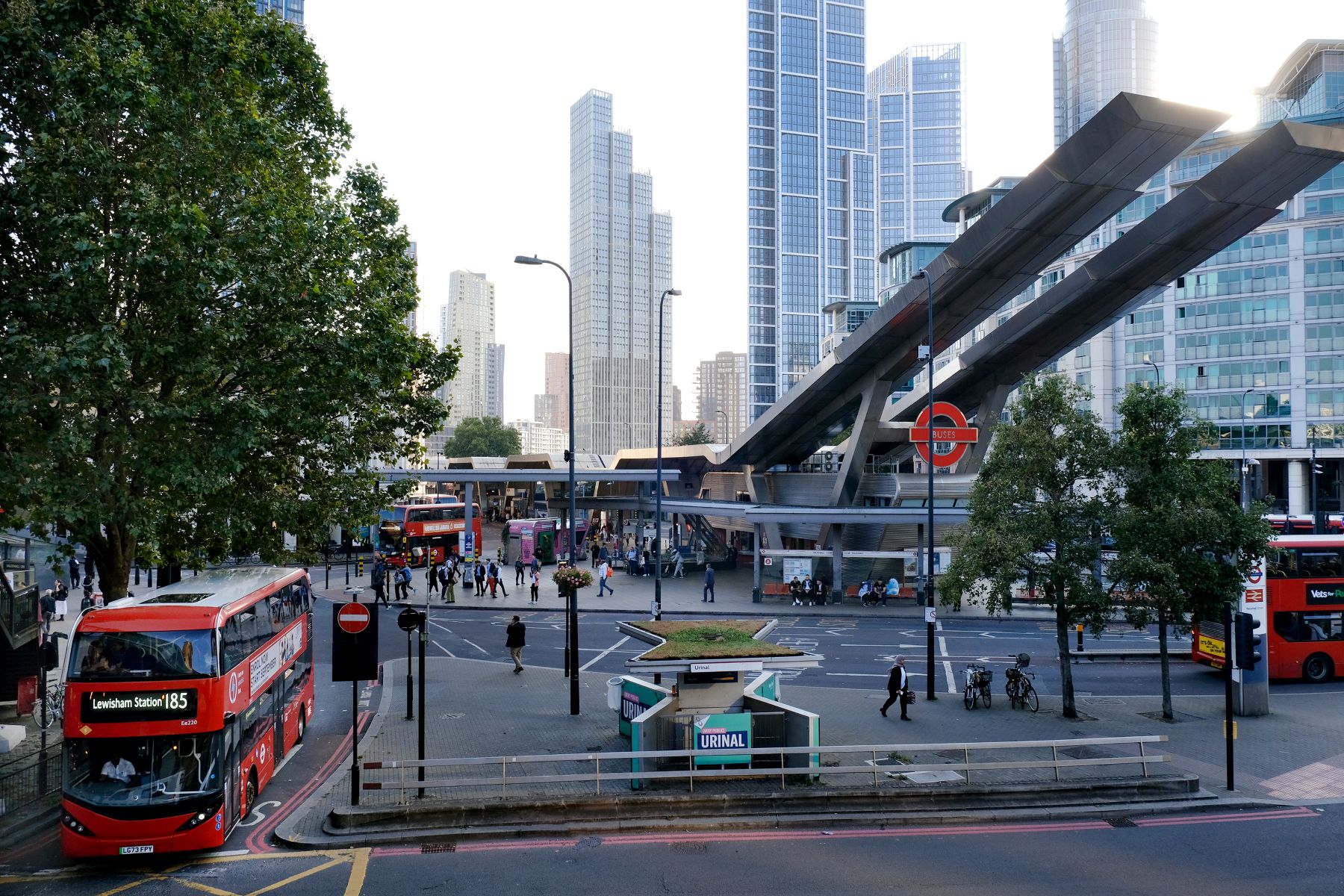
If you loved the Winter Olympics, spare a thought for south London’s own gravity-defying structure.
It doesn’t have snow. It doesn’t have athletes in lycra. But it does have buses… and an unmistakable silhouette that’s earned a nickname that’s stuck for over two decades. Welcome to Vauxhall Bus Station. Or, as locals know it: the ski jump.
A gateway with history
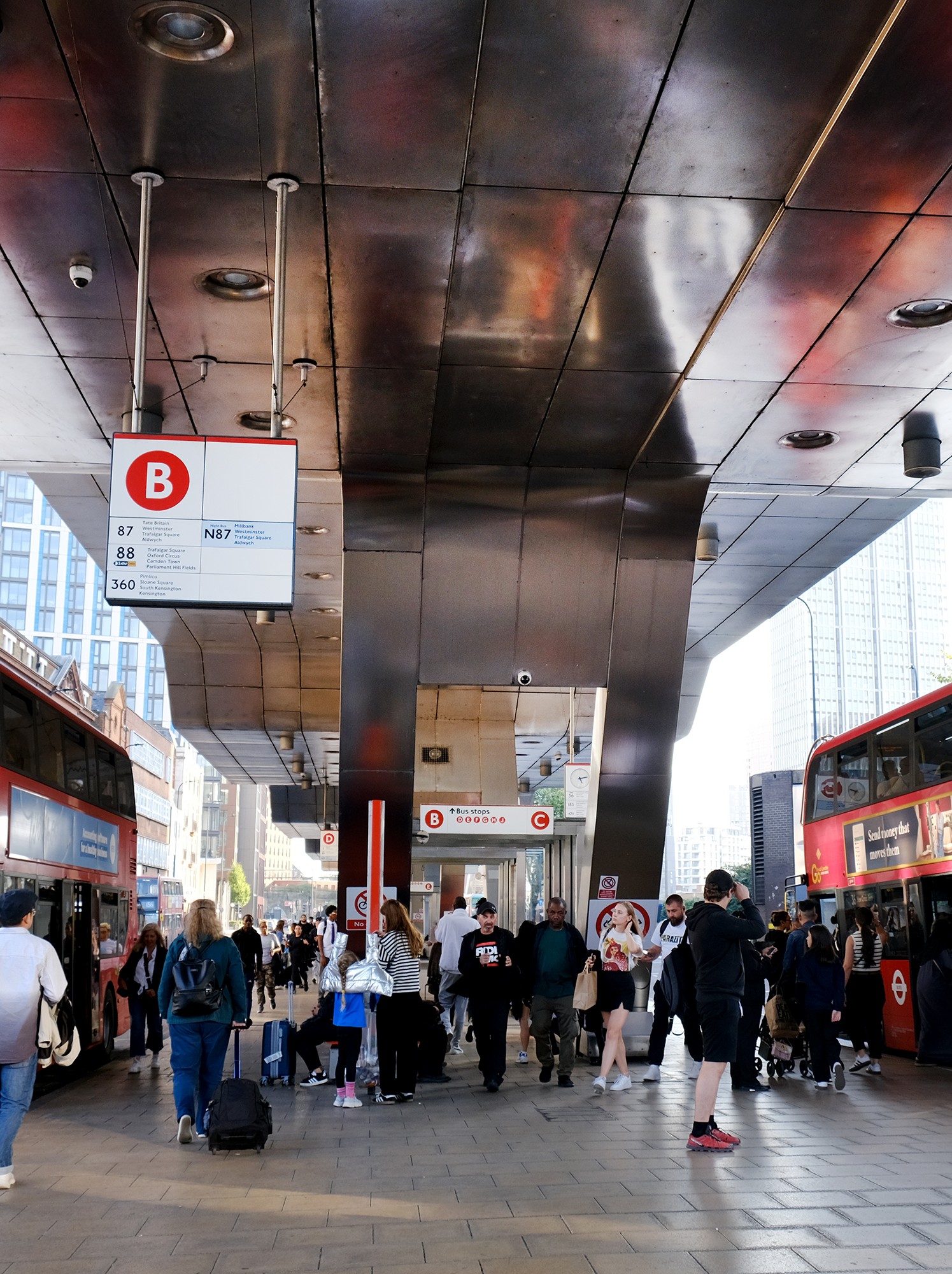
Vauxhall’s been a transport crossroads for centuries. In the 18th and 19th centuries, visitors arrived by boat to enjoy the Pleasure Gardens. Then came the railway, then trams, then the Tube. Today, millions of passengers move through each year, making it one of London’s key interchanges, with rail, Underground and bus all folding into one busy, slightly chaotic hub.
But when the bus station was redesigned in the early 2000s, it became something more than a functional interchange. It became a landmark.
The birth of the ski jump
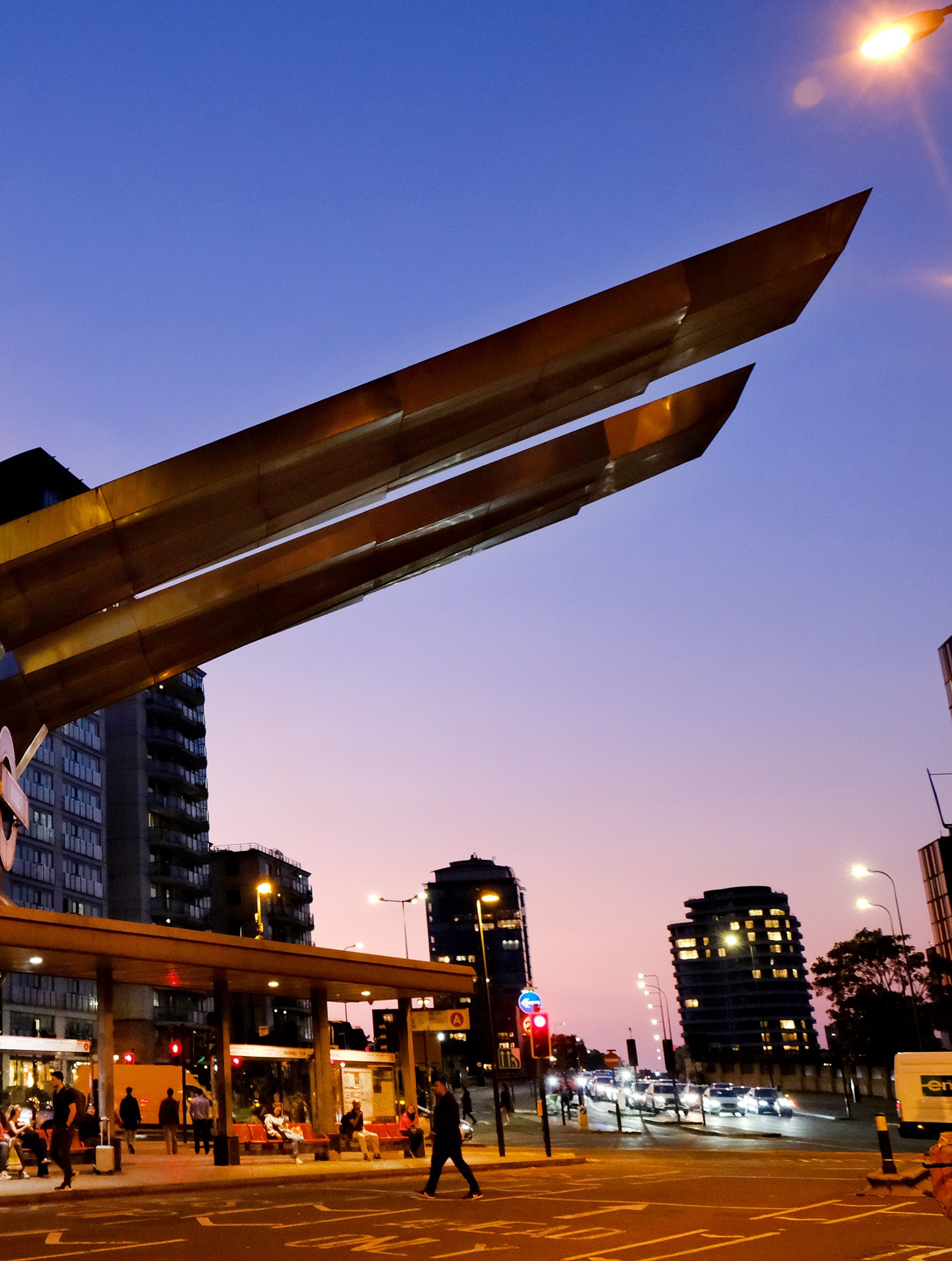
Completed in 2004 and designed by Arup Associates for Transport for London, the brief was straightforward enough: replace a confusing, traffic-dominated space with something safer, more accessible and more welcoming.
What they built was anything but ordinary.
Instead of a flat roof, the architects designed a sweeping steel canopy that rises dramatically at one end — improving sightlines, filtering in natural light and guiding passengers through the space almost intuitively. From certain angles, the resemblance to an Olympic ski jump is hard to argue with. The nickname caught on immediately, and it’s never left.
In a city full of straight lines and glass towers, it curves, dips and soars. Very Vauxhall.
Design that divides (and delights)
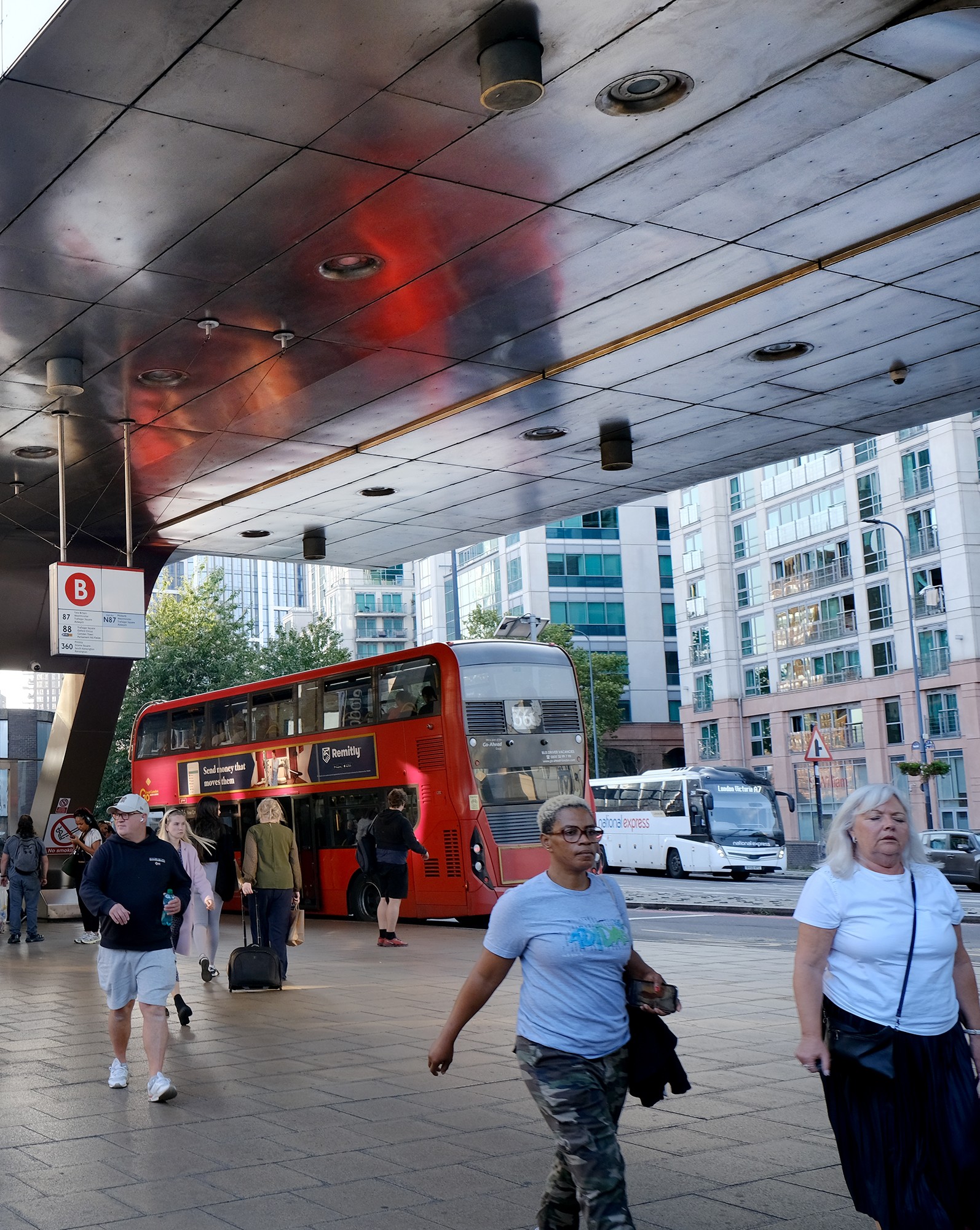
Like most bold architectural statements, it’s not without its critics. Some see it as a triumph of contemporary civic design. Others see it as a curious relic of early 2000s urban planning. Both camps have a point.
But here’s what’s hard to argue with: it works. The canopy improves ventilation and shelter, the sightlines make the space feel safer, and the whole thing reflects a moment when London started taking seriously the idea that everyday infrastructure — even a bus station — could be worth designing well.
Practical and a little bit playful. That’s this area in a nutshell.
Part of the rhythm
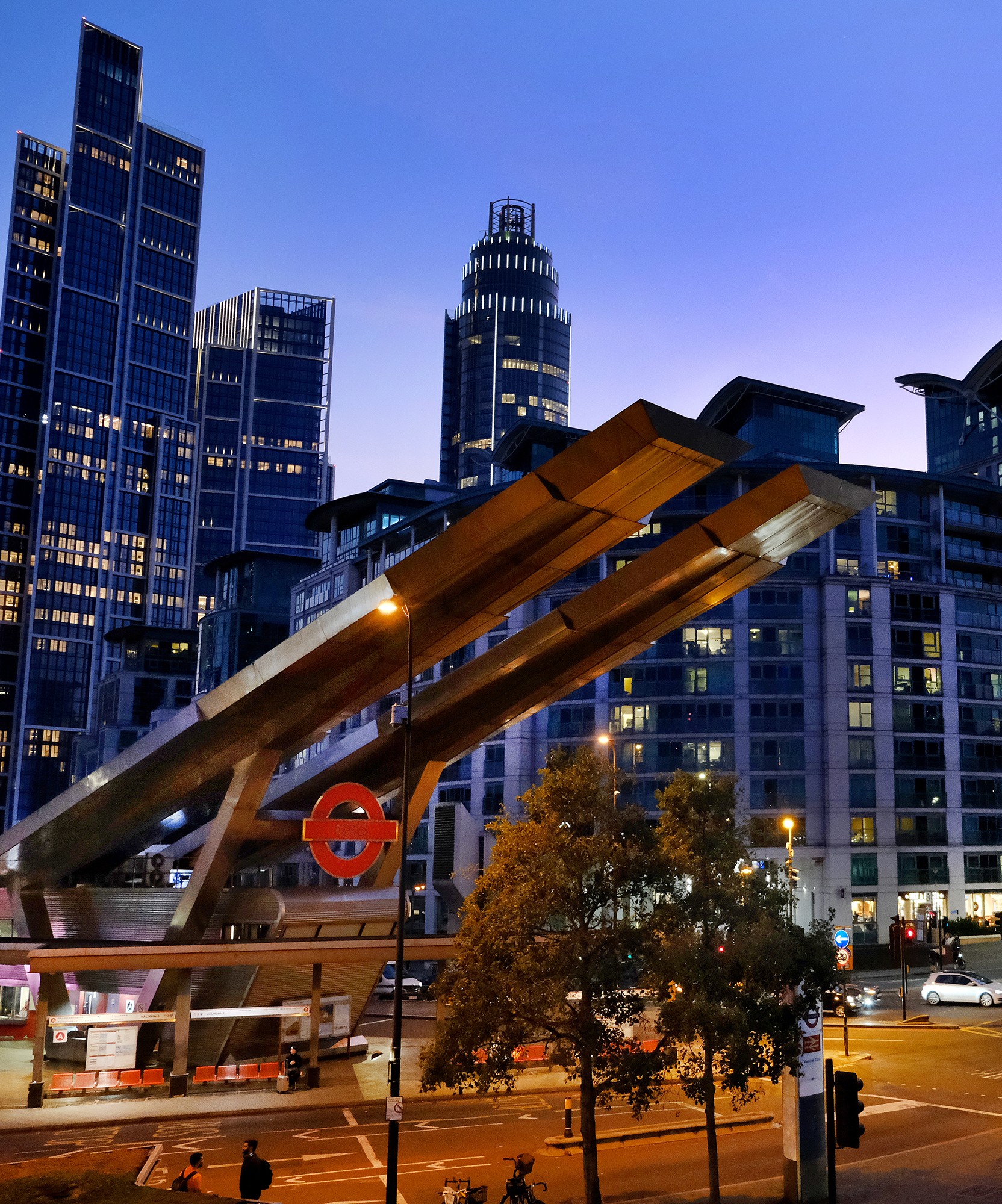
The bus station arrived at a pivotal moment. The early 2000s marked the start of significant change in Vauxhall — new towers along the river, cultural venues, public realm improvements gradually softening the old gyratory.
Through all of it, the ski jump has stayed put. It’s the first thing many commuters see each morning and the last thing they see at night. It’s the gateway for anyone heading to the Kia Oval, the Pleasure Gardens or the riverside. For those making the most of Vauxhall’s legendary LGBTQ+ nightlife, it’s the route home.
It’s not just a transport structure. It’s part of how this place feels.
From fireworks to steel canopies
Vauxhall’s always embraced spectacle. The Pleasure Gardens dazzled 18th-century crowds with fireworks, tightrope walkers and elaborate architecture. Innovation and entertainment were never separate things here, they were the whole point.
The entertainment looks different now. But the instinct to make even ordinary things a bit extraordinary hasn’t gone anywhere. The ski jump is simply the latest expression of it. Public infrastructure with a bit of theatre. A daily commute beneath something unexpected.
No skis required
Vauxhall’s never been ordinary. Hot air balloons over the Pleasure Gardens. Bold murals under railway arches. Karaoke in the park. Difference is part of what this place is.
The ski jump bus station is just another chapter in that story. A reminder that even the mundane can have imagination, if you build it right.
So next time you’re passing through, look up. It’s worth a second glance.