Vauxhall has always been a place where different is normal. Where the industrial sits next to the artistic, the grassroots next to the glamorous.
So it makes sense that some of Britain’s most fearless, unconventional women called it home and left their mark on it. This International Women’s Day, we’re celebrating a few of them. From suffragists to ceramic artists, tightrope walkers to tavern legends, they helped shape the Vauxhall we know today.
A park with a point
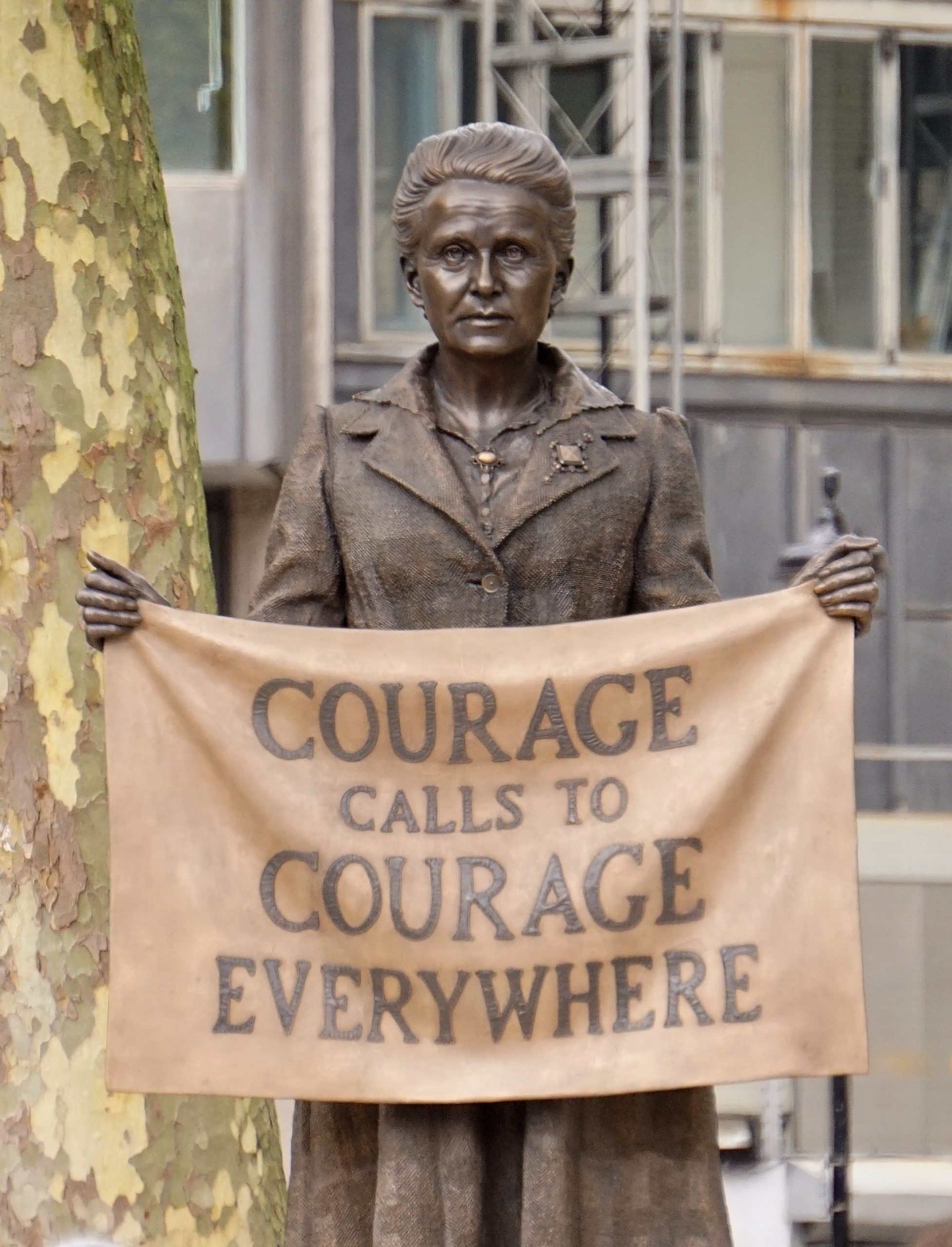
Next time you’re cutting through Vauxhall Park on your lunch break, spare a thought for the women who made it happen.
Millicent Fawcett — suffragist, local resident, force of nature — campaigned for the park to exist. It opened in 1890, decades before women won the vote. Alongside her, Fanny Wilkinson, Britain’s first professionally trained female landscape gardener, helped design it. In an era when women were largely shut out of urban planning and professional horticulture, she was quietly reshaping London’s public spaces.
Together, they created something that still serves this community over 130 years later: green space, freely accessible to everyone. Radical, in its time.
The original founder
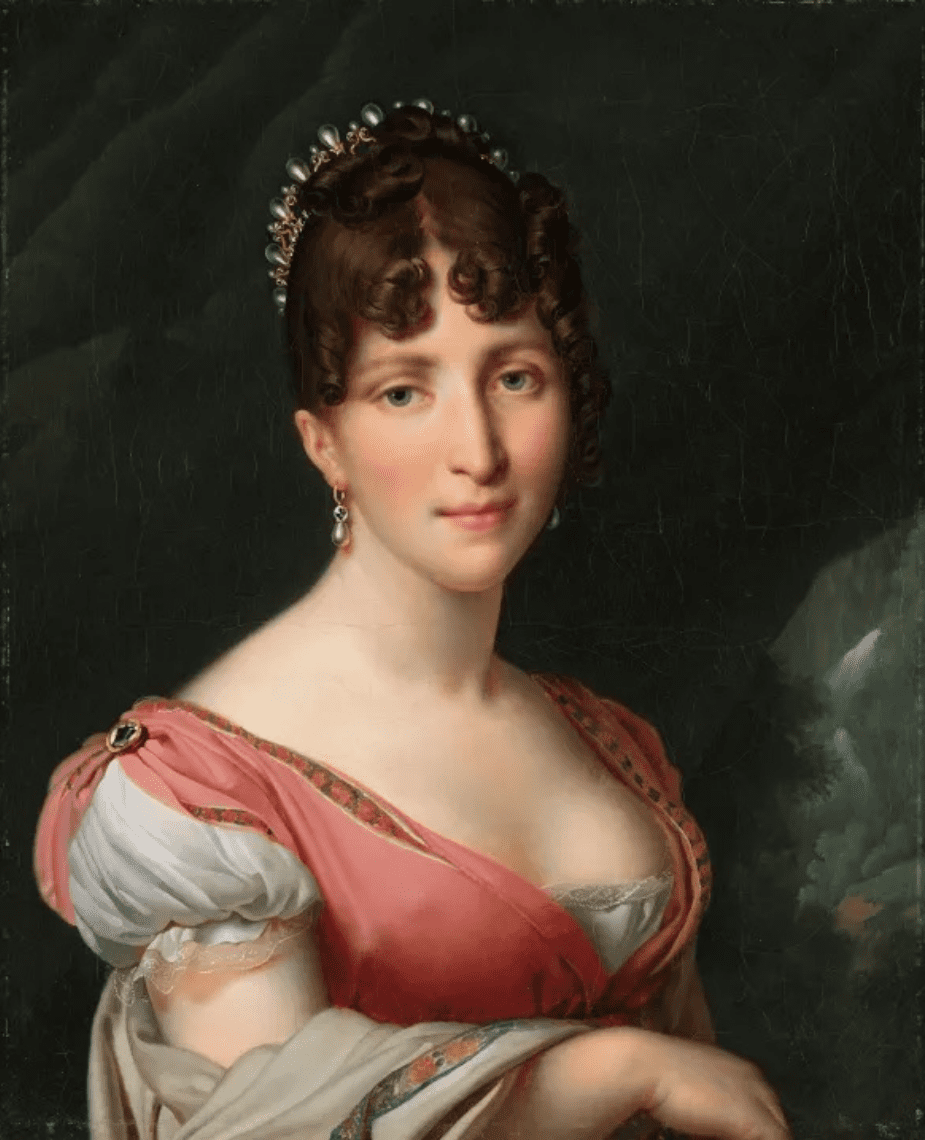
Before “female entrepreneur” was even a phrase, Eleanor Coade was running one of 18th century Britain’s most successful manufacturing businesses, right here in Lambeth.
Her artificial stone — Coade stone — was celebrated for its beauty and extraordinary durability. From her factory near Vauxhall, she supplied architectural ornaments that still adorn buildings across London and beyond. She managed a skilled workforce, built a thriving enterprise and left a permanent mark on Britain’s built environment, all at a time when women rarely controlled large-scale industrial operations.
Her name lives on at The Coade on Vauxhall Walk, home to Vauxhall One. Ahead of her time doesn’t quite cover it.
Pleasure Gardens royalty
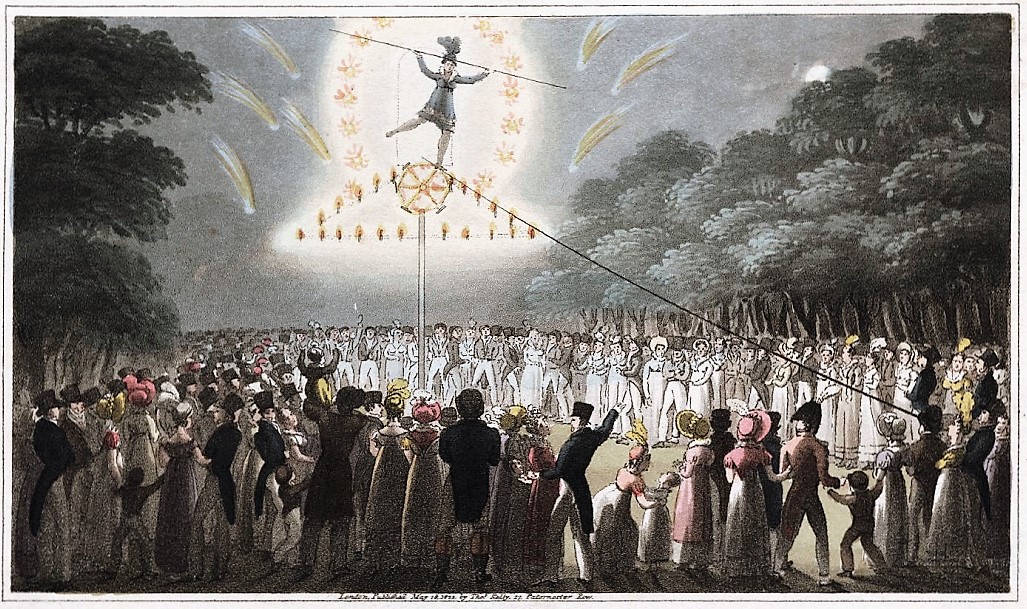
Vauxhall Pleasure Gardens were once the entertainment capital of London, and women were often the stars of the show.
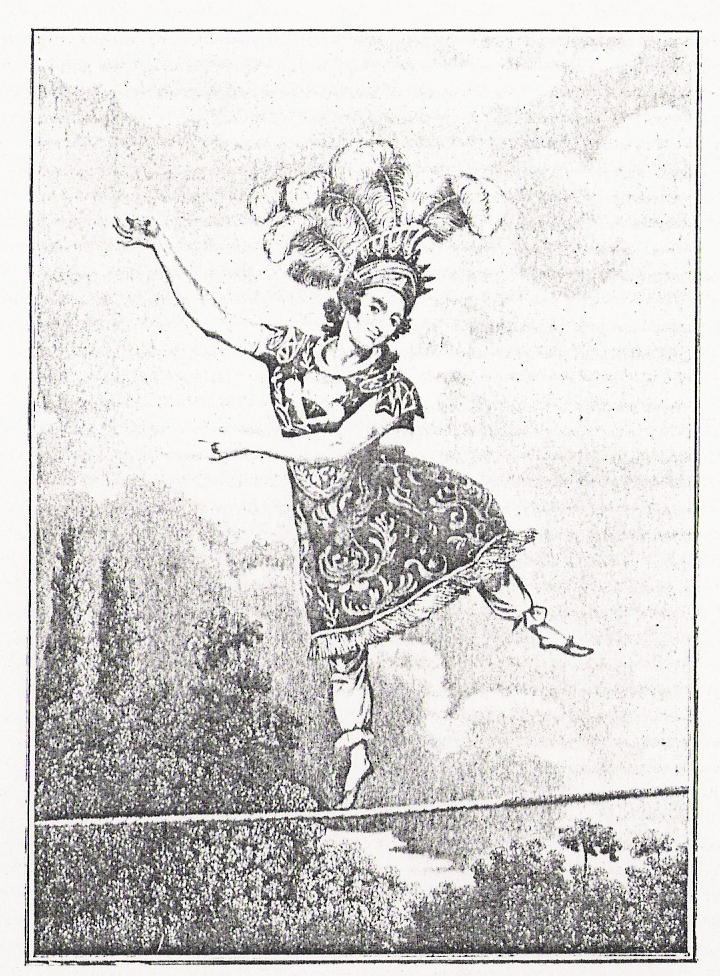
Madame Saqui walked tightropes high above the crowds. Mademoiselle Caroline performed riding feats that drew admirers from across Europe. Madame Feron packed out the stage as one of the Gardens’ most celebrated vocalists. These weren’t just performers, they were public figures, international draws and, in many cases, shrewd businesswomen. All at a time when women’s visibility in public life was, let’s say, actively discouraged.
The Gardens also attracted high society in droves. Georgiana, Duchess of Devonshire, and Lady Duncannon were among the influential figures who made Vauxhall the place to see and be seen. Vauxhall has always blurred the line between high culture and popular entertainment and women were central to that identity.
Clay ceiling? What clay ceiling?
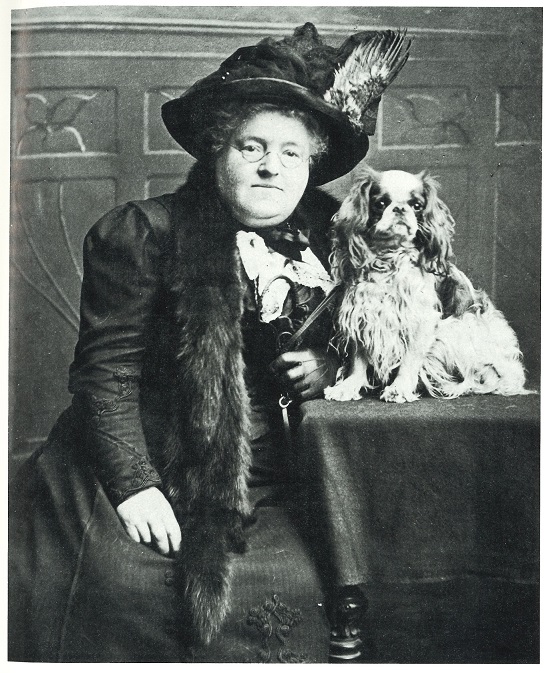
In the Victorian era, Vauxhall and Lambeth became synonymous with craftsmanship and industry. At Doulton’s Lambeth Art Pottery, Hannah Barlow didn’t just forge her own career as a gifted ceramic artist. She used her position to open doors for others, championing the employment of more than 200 female designers at a time when professional artistic careers for women were vanishingly rare.
Her story reflects something that runs through Vauxhall’s history: a streak of creative independence, and a community that’s made space for people who don’t fit the conventional mould.
The RVT: still the best stage in town
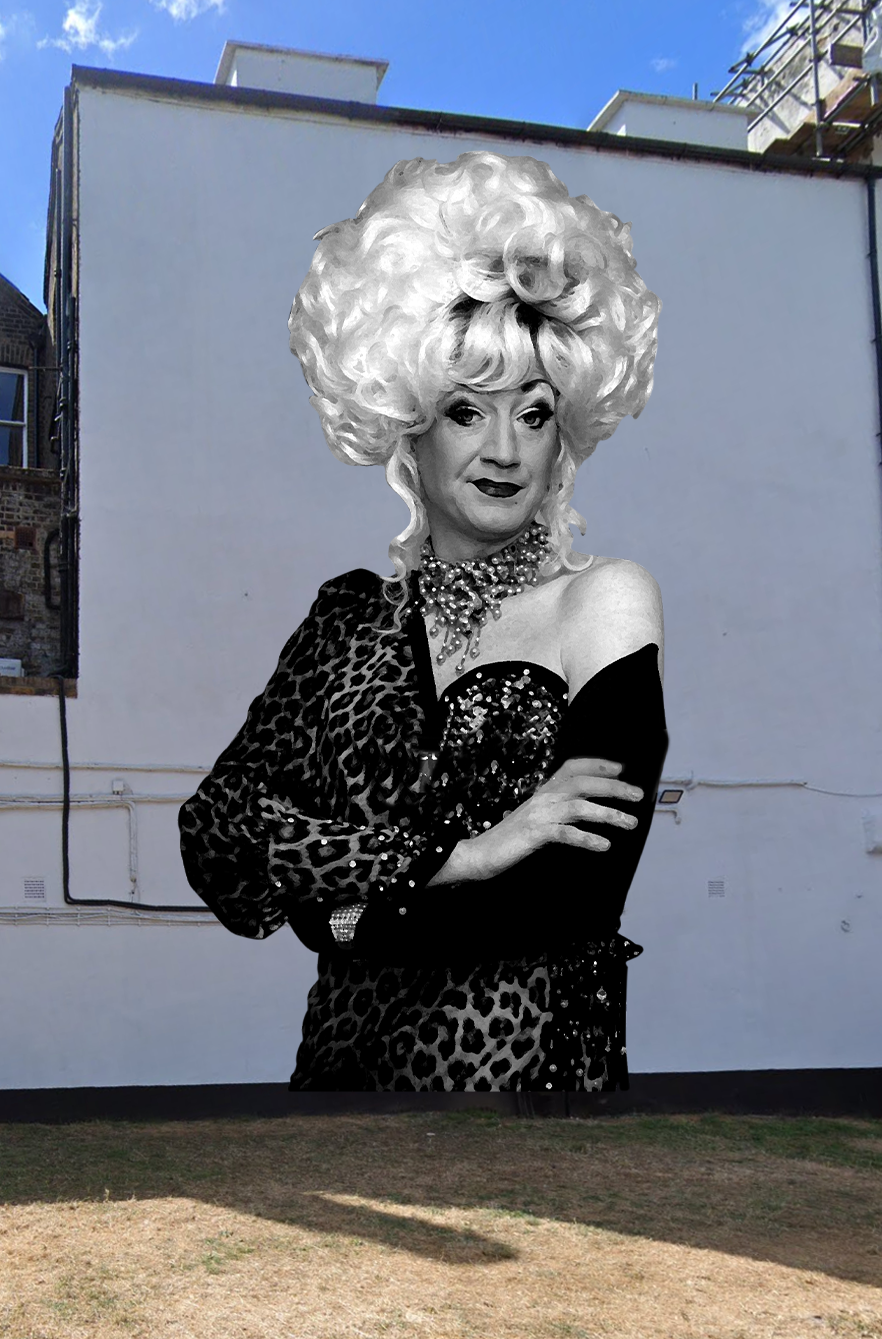
Fast forward to the 20th and 21st centuries, and Vauxhall became internationally recognised as a centre of LGBTQ+ nightlife and cabaret. At the heart of it all: the Royal Vauxhall Tavern.
Lily Savage — Paul O’Grady’s iconic drag persona — became synonymous with the RVT. Regina Fong built a legendary reputation as one of its most beloved performers. Myra DuBois and Marisa Carnesky have continued that tradition of theatrical subversion and unapologetic self-expression. The RVT has always been a place where bold, brilliant performers get to be exactly who they are. Audiences love them for it.
And then there’s the small matter of Diana, Princess of Wales, reportedly visiting in disguise. We’ll neither confirm nor deny. But we love that it happened here.
The ones you might not know
Not every influential woman makes it into the history books, but Vauxhall remembers them.
Rachel Lack ran her own dock and barge business in an era when female entrepreneurship in such industries was practically unthinkable. Auntie Gwen King quietly held court looking after the lady members at The Oval for years, playing a small but meaningful role in local sporting culture.
Across generations, women have shaped Vauxhall not just through performance and politics, but through everyday leadership — in businesses, schools, community organisations and local institutions. That legacy continues today in the women who run independent cafés and galleries, lead community groups and help hold Vauxhall’s diverse neighbourhoods together.
This International Women’s Day
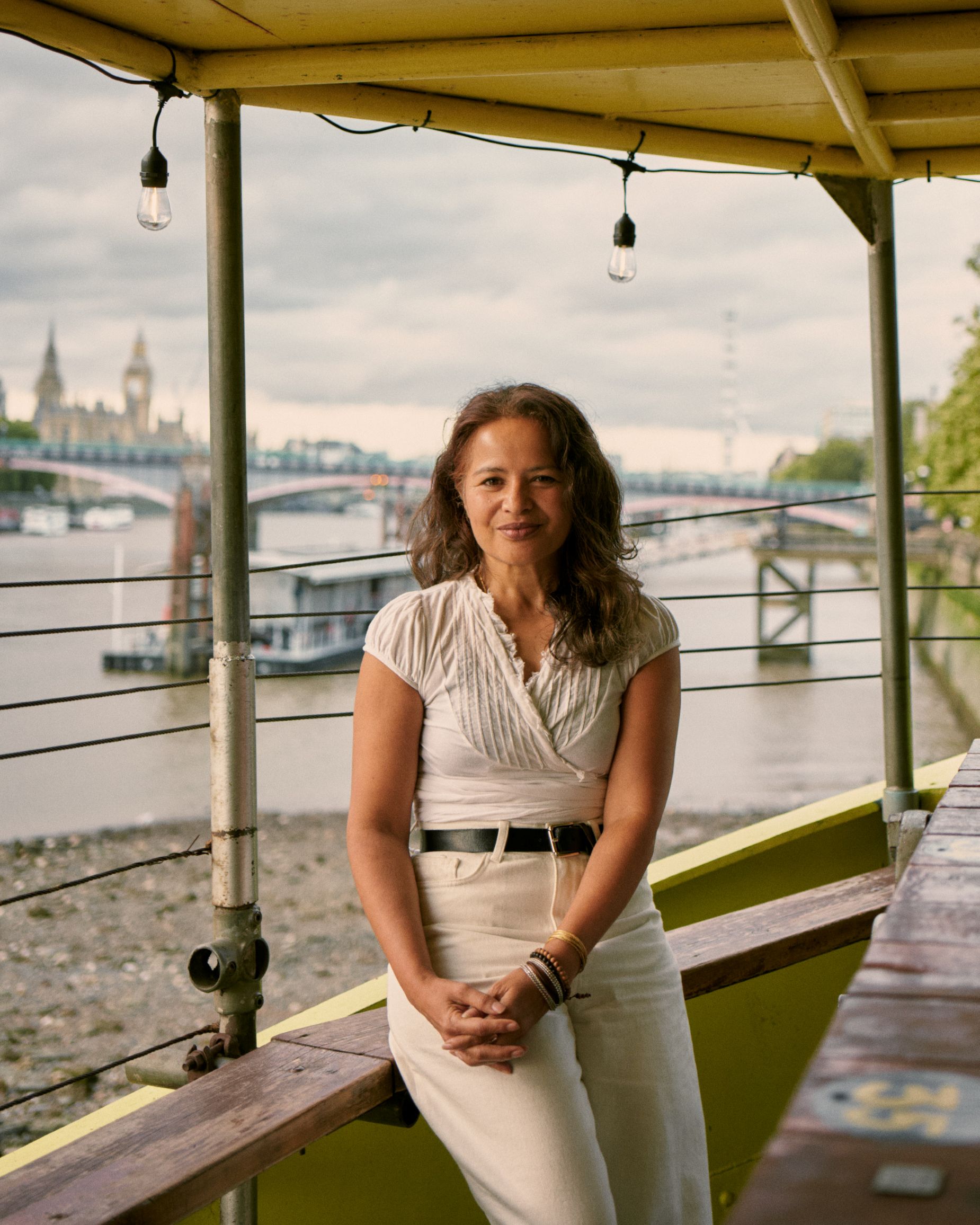
Take a walk through Vauxhall Park. Look up at the architecture along Albert Embankment. Pop into the RVT for the evening. Support a women-led business while you’re at it, like Tamesis Dock, Metropolis, Elty Café, Vauxhall City Farm, Body By Lu, or Gasworks.
Vauxhall’s story has always included women who led, built, performed and pushed back — often quietly, often without recognition, always with impact. Today’s a good day to celebrate them.
And in Vauxhall, there’s plenty to celebrate.